Coins · 2
Two of Coins
Updated 9/3/2026Upright
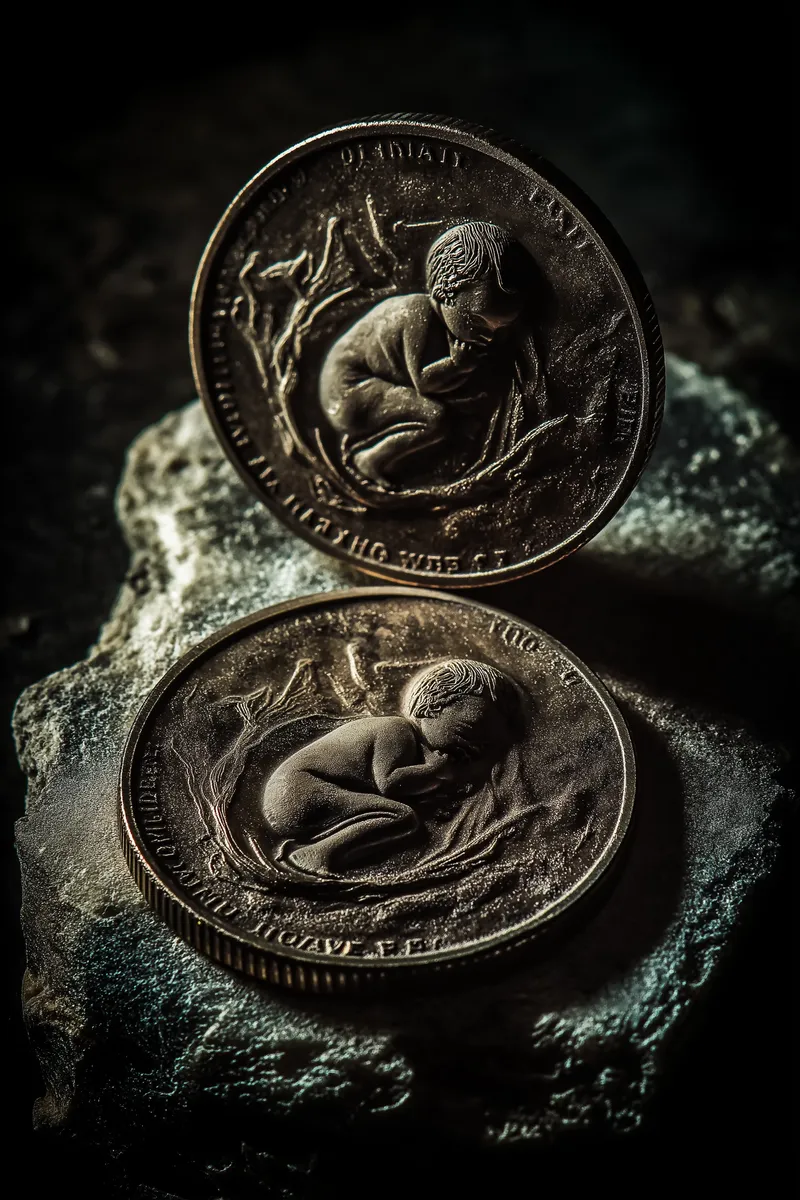
A curled figure rests inside each of two coins. One coin lies securely against the stone; the other stands on edge and needs constant attention. They may have equal value, but they do not need equal support right now. The Two of Coins describes allocating limited time, money, strength, or care between two important things. Balance does not mean equal shares at every moment. It means knowing what must not fail, what may flex, and how long temporary imbalance remains safe. Make the minimum need, deadline, and buffer visible. If both sides constantly demand more than you have, better juggling will not solve it; scope, responsibility, or terms must change. A person is not a poor manager merely because two coins cannot be hammered into a third.
Reversed
Reversed, the coin on edge begins to fall and the lower one carries weight no one counted. Keeping both things going still looks possible from outside, but delays, debt, lost sleep, or missing care show that all flexibility is gone. The reversed Two of Coins describes overload, hidden costs, and an arrangement working only through someone's constant overextension. This is not always a personal prioritization failure: income may be too low, care responsibilities unreasonable, or workload structurally impossible. Do not privately carry shame for a shared problem. Protect health, housing, safety, and essential income first. Renegotiate other deadlines, distribute responsibility, or seek professional and public support. A dropped ball is information about the system, not a character reference for its carrier.