
Wands · 10
Ten of Wands
Updated 9/2/2026Upright
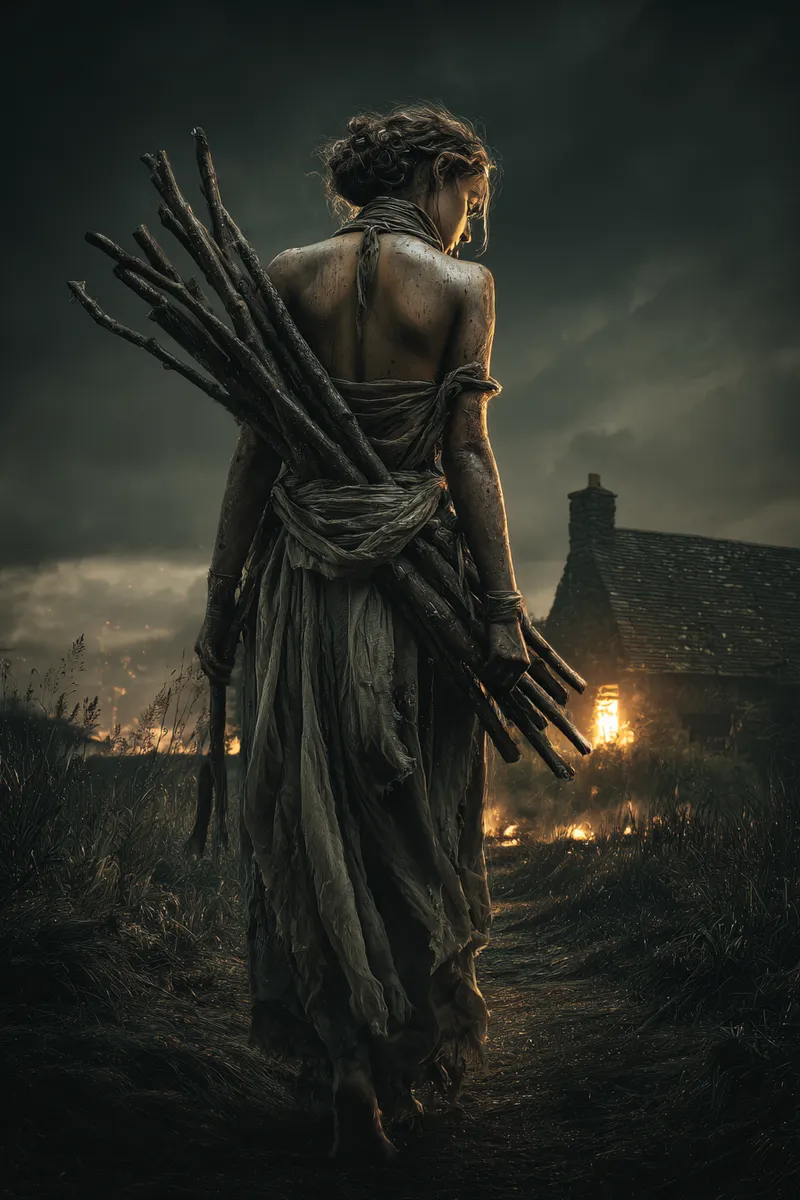
In the Ten of Wands, a woman walks with ten wands bound to her body and a burning house behind her. The burden may be self-chosen, accumulated gradually, or quietly left for her to carry by others. Being able to carry something does not make the arrangement reasonable. List the responsibilities and ask of each one: who decides, who benefits, who has the resources, and who faces the consequences? Transfer authority and knowledge with the task; otherwise, delegation is merely dropping the burden one step lower. If the house is already burning, save the people first—the firewood can still make it to the funeral.
Reversed
The reversed Ten of Wands may mean that the burden is becoming lighter, but it may also show your grip failing or responsibility being pushed onto someone else. Not everything set down is liberation; sometimes it is a mess for the next person to find. Distinguish responsible release from sudden disappearance. Say what you will no longer carry, transfer necessary knowledge, and agree on who takes the essential task—or decide openly that the task ends. If your strength is already gone, safety and health take priority over a perfect handoff. You do not have to carry the burden to the grave merely because the filing remains unfinished.