
Swords · 14
King of Swords
Updated 9/3/2026Upright
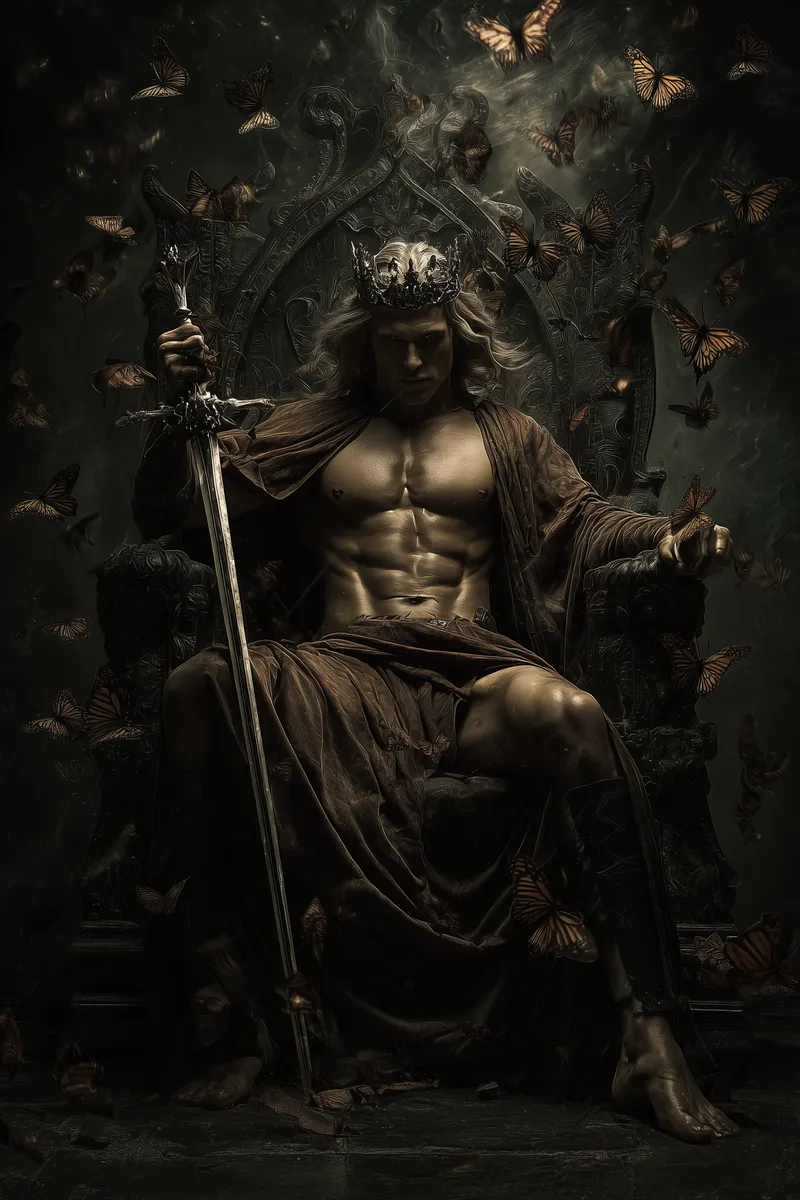
The King sits on a dark throne with a sword whose point reaches the same world where others must live with his decisions. Butterflies circle the crown, reminding him that no rule remains wise merely because it was once written correctly. The King of Swords describes authority to make decisions affecting more than the decision-maker. His strength is not lack of feeling but controlled process: clear mandate, sufficient evidence, equal rules, understandable reasons, and a way to correct error. If you lead, explain who bears the consequences and how dissent can be raised without punishment. If you are subject to a decision, request its basis and appeal path. Authority does not arise because others follow. It arises when the same justice holds even when it restrains the King's own hand.
Reversed
Reversed, the throne appears larger than the sword and butterflies become decoration for a system unable to change. Rules are selective, expertise closes discussion, and affected people's experience is dismissed as subjective. Sometimes the King is absent: no one owns responsibility although everyone cites process. The reversed King of Swords warns of authoritarianism, manipulated procedure, and reason used as power's disguise. Ask who wrote the rule, who benefits from the exception, and who can safely appeal. Do not obey an illegal or harmful order because it sounds official, but do not accuse without documentable grounds either. Preserve decisions, seek independent review, and protect those exposed to retaliation. A crown raises the head, not necessarily the quality of thought.