
Swords · 1
Ace of Swords
Updated 9/3/2026Upright
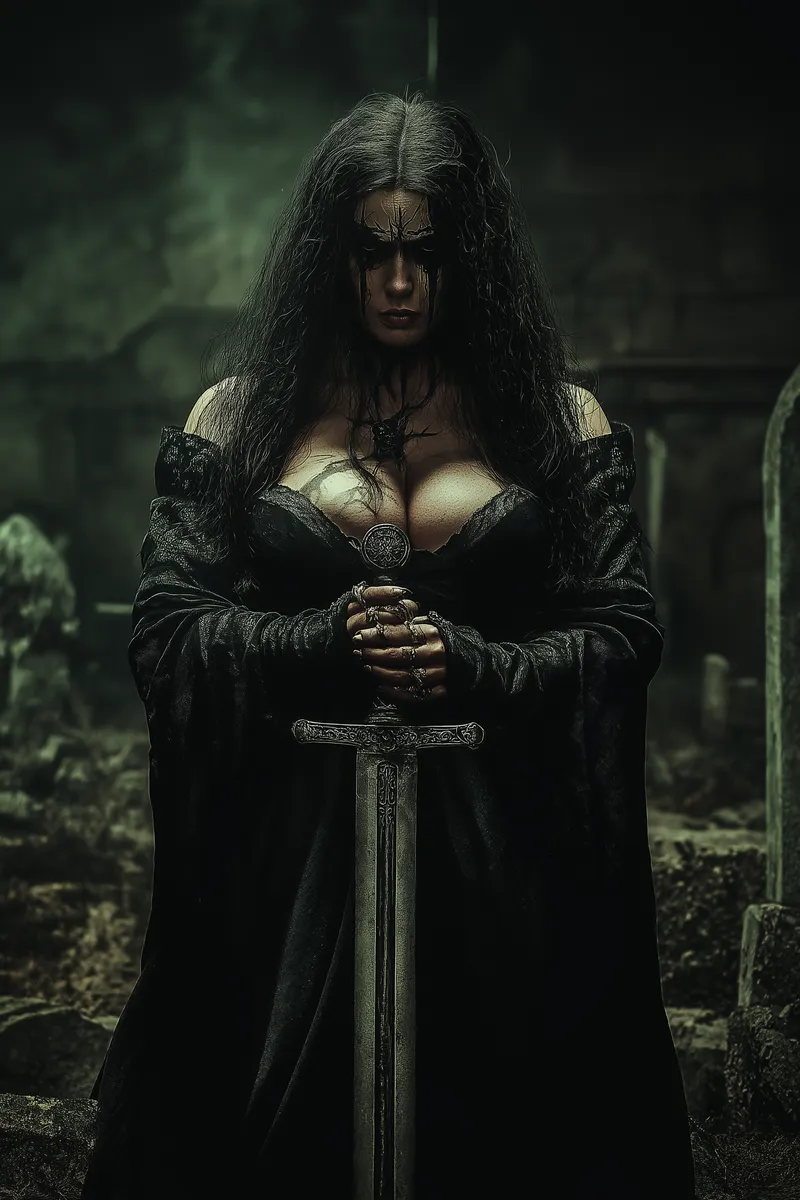
The woman in the image does not raise the sword to strike. She holds it in both hands, its point against the ground, as though taking an oath among the graves. The Ace of Swords marks the moment when an idea stops being a hunch and must stand on its own evidence. Something can now be named precisely: what happened, what you infer from it, and what you intend to do. Those are three different things, even if an agitated mind would happily bury them in the same grave. This card offers the ability to separate what matters from the noise, but it does not declare you infallible. Truth is not whichever sentence is spoken loudest. Write your claim in one sentence, then list beneath it what you actually know. When the blade rests steadily in your hands, it can sever the knot without damaging everything around it.
Reversed
Reversed, the sword no longer serves discernment. Instead, a ready-made conclusion begins selecting evidence that suits it. Suspicion can dress itself as knowledge, interpretation as memory, and an insult as “just honesty.” The solemn oath in the image then becomes a verdict issued without a hearing. Most dangerous is the sentence that explains everything—people, motives, and the future—with one neat cut. This card does not ask you to abandon reason, but to use it with greater discipline. Check the original source, seek the missing perspective, and separate what you know from what you fear. Do not make an irreversible decision on the testimony of your inner prosecutor alone; it is diligent, but a terrible judge. Once the claim can withstand cross-examination, the sword can become a tool again.